
T R A I N I N G
Reflexes are automatic responses of the nervous system. They are integrated in the gray matter of the spinal cord, where incoming and outgoing signals is received and processed. These reflexes allow the body to react instantly to changes in movement and position — without conscious effort. This helps maintain stability, keep the body upright, and support safe movement.
Practicing balance stimulates communication between the brain, inner ear, muscles, and joints. With repetition, these systems work together more quickly and efficiently, improving coordination, posture, and overall control of movement.
What you may experience
⧽ Improved posture and alignment
⧽ Faster reflex responses
⧽ Greater stability in movement
⧽ Increased coordination and strength
B A L A N C E
& R E F L E X
Posture reflects how the body organizes itself against gravity. It depends on the balanced cooperation of the spine, muscles, and joints.
When muscles become tight, they can pull the body out of alignment. Stretching helps restore their natural length, allowing the smaller stabilizing muscles to support the joints and spine more effectively.
Traditional Chinese Medicine (TCM) has long recognized the importance of body alignment. Practices such as Qigong and Tai Chi train posture, breathing, and movement together to support the natural flow of Qi, the body’s vital energy.
What you may experience
⧽ Improved posture and alignment
⧽ Reduced muscle tension
⧽ Better stability and body awareness
⧽ Easier, more efficient movement
Active and passive stretching improve mobility, while strength training helps stabilize and support these new ranges of movement.
Passive stretching means relaxing while gravity or body weight moves you into a position. It can feel pleasant and release tension, but it does not actively train the muscles that support posture and movement. Over time, many people end up stretching muscles that are already loose, while tighter or weaker muscles remain unchanged
Active stretching works differently. While one muscle lengthens, the opposing muscle gently engages. This interaction trains the nervous system to coordinate muscles around the joints more effectively. Instead of only increasing flexibility, the body learns to create balanced strength, stability, and control.
What you may experience
⧽ Increased mobility
⧽ Better joint stability
⧽ Greater functional flexibility
⧽ More efficient, controlled movement
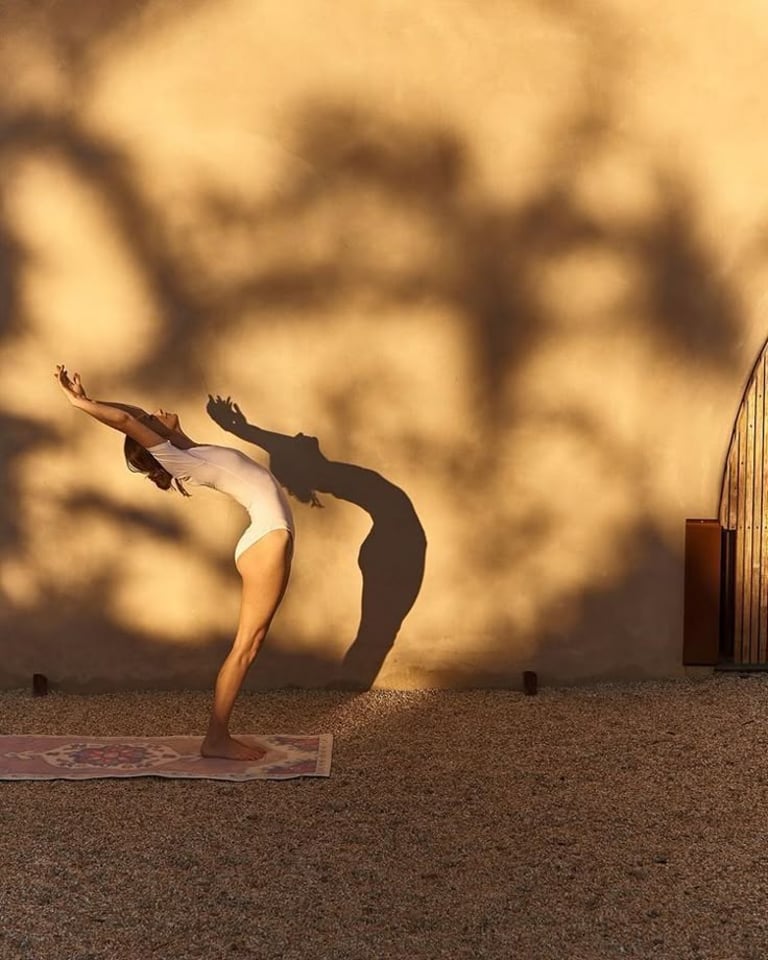


Balance trains the nervous system to improve coordination, stability, and automatic responses.
Developing mobility and strength so the body can move with stability and control.
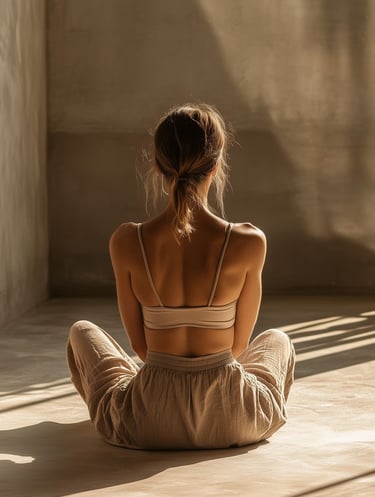
Posture quietly reflects our health, confidence, and how we meet life.
S T R E T C H I N G & S T R E N G T H
P O S T U R E
& M O V E M E N T
⧽ Posture is body language
⧽ Balance supports healthy aging
A C T I V E OR P A S S I V E
⧽ Flexibility without stability is incomplete
◌
◌
◌
C O N T R O L
A L I G N M E N T
C A P A C I T Y
W R I T E M E
if you have further questions, feel free to reach out to me.